Icebreaker Games LogoIcebreaker Games

Icebreakers for Teens That Are Actually Fun

Low-pressure, age-appropriate games for middle school, high school, youth groups, camps, and online sessions.

Nothing loses a group of teens faster than going around the room for forced introductions. The best icebreakers are easy to explain, quick to start, and give everyone something real to do.

Pick a low-key game for a quiet room, an active one when the energy is flat, or a classroom and online option when space is limited.

Low-Pressure Get-to-Know-You Games

Two Truths and a Lie

#1Two Truths and a Lie

The classic game where players guess which of three statements is false. A simple, fun way to reveal surprising facts about teammates.

3+

Steps

  1. 1.Each person prepares three statements about themselves: two that are true and one that is false.
  2. 2.Taking turns, each person shares their three statements with the group.
  3. 3.The rest of the group votes on which statement they believe is the lie.
  4. 4.The person reveals the lie after everyone has voted. It's a great way to learn surprising facts about each other!

This or That

#2This or That

A fast-paced decision-making game. Participants choose between two options to reveal preferences. Great for energizing meetings and finding common ground.

5+

Steps

  1. 1.The host calls out two related options (e.g., 'Coffee or Tea?', 'Beach or Mountains?').
  2. 2.For in-person, designate two sides of the room for each option and have people move to the side they prefer.
  3. 3.For virtual, have people use a specific emoji reaction for each choice.
  4. 4.It's a great way to see who shares similar tastes.
Would You Rather

#3Would You Rather

The ultimate list of Would You Rather questions for every occasion. From funny and creative to deep and hard dilemmas. Featuring a random question generator for instant fun.

2+

Steps

  1. 1.Choose a category (e.g., Couples, Kids, Funny, Hard).
  2. 2.Read the question aloud to the group: 'Would you rather Option A or Option B?'
  3. 3.Everyone must choose one option. No 'neither' or 'both' allowed!
  4. 4.Discuss 'why' you made your choice. The best conversations come from the reasoning.
Three Things in Common

#4Three Things in Common

The ultimate connecting game. 50+ non-obvious examples of "Things in Common" for teams and groups. Find shared interests and break the ice fast.

6+

Steps

  1. 1.Divide everyone into smaller groups of 3-4 people.
  2. 2.Challenge each group to find three things they all have in common, excluding obvious things like 'we work here'.
  3. 3.Give them 5-10 minutes to chat.
  4. 4.Bring everyone back to the main group and have each breakout room share their three commonalities.
Emoji Story

#5Emoji Story

Tell stories or guess phrases using only emojis. Includes collaborative storytelling and 'Emoji Charades' modes. Perfect for remote teams to spark creativity and break communication barriers.

3+

Steps

  1. 1.Mode 1: Storytelling. One person starts with a theme or an opening emoji.
  2. 2.Each person takes a turn adding ONE emoji to continue the plot.
  3. 3.Continue until the story reaches a conclusion, then try to narrate it back in words.
  4. 4.Mode 2: Emoji Charades. One person picks a prompt (Movie, Song, etc.) and types it out using ONLY emojis.
Word Association

#6Word Association

Hear a prompt word and write the first thing that comes to mind. Compare associations to reveal unique thinking styles and spark conversation.

3+

Steps

  1. 1.Prepare 8–10 prompt words.
  2. 2.Read them one by one; players jot immediate associations.
  3. 3.Share and compare selections; invite brief explanations.

Active Icebreakers for Teen Groups

Human Bingo

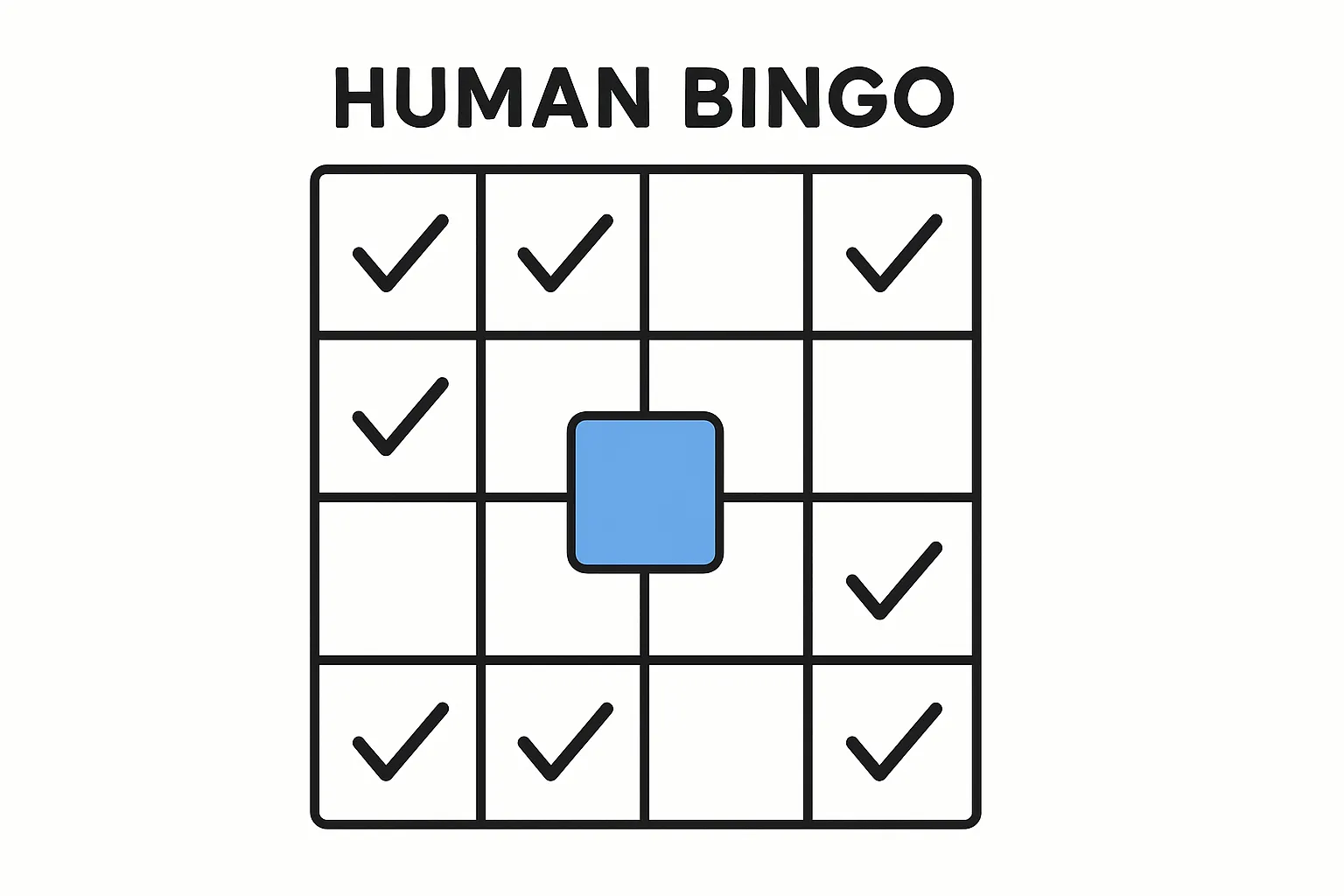
#7Human Bingo

Play Human Bingo for work, school, or events with simple rules, 50+ prompt ideas, and a free card generator for printable or virtual bingo cards. No signup required.

10+

Steps

  1. 1.Create bingo cards with different characteristics or experiences in each square (e.g., 'Has traveled to Asia', 'Speaks more than two languages', 'Is left-handed'). You can use our free generator to make this easy.
  2. 2.Distribute the cards and pens to all participants. Explain the rules: You must find a different person for each square (if possible), and you cannot sign your own card.
  3. 3.Start the timer! Players mingle and find people who match the descriptions in the squares, getting their signature.
  4. 4.The first person to get a 'Bingo' (a full row, column, or diagonal) shouts it out! Verify their card and award a prize.
Materials:Pre-made bingo cards, Pens
Human Knot Game

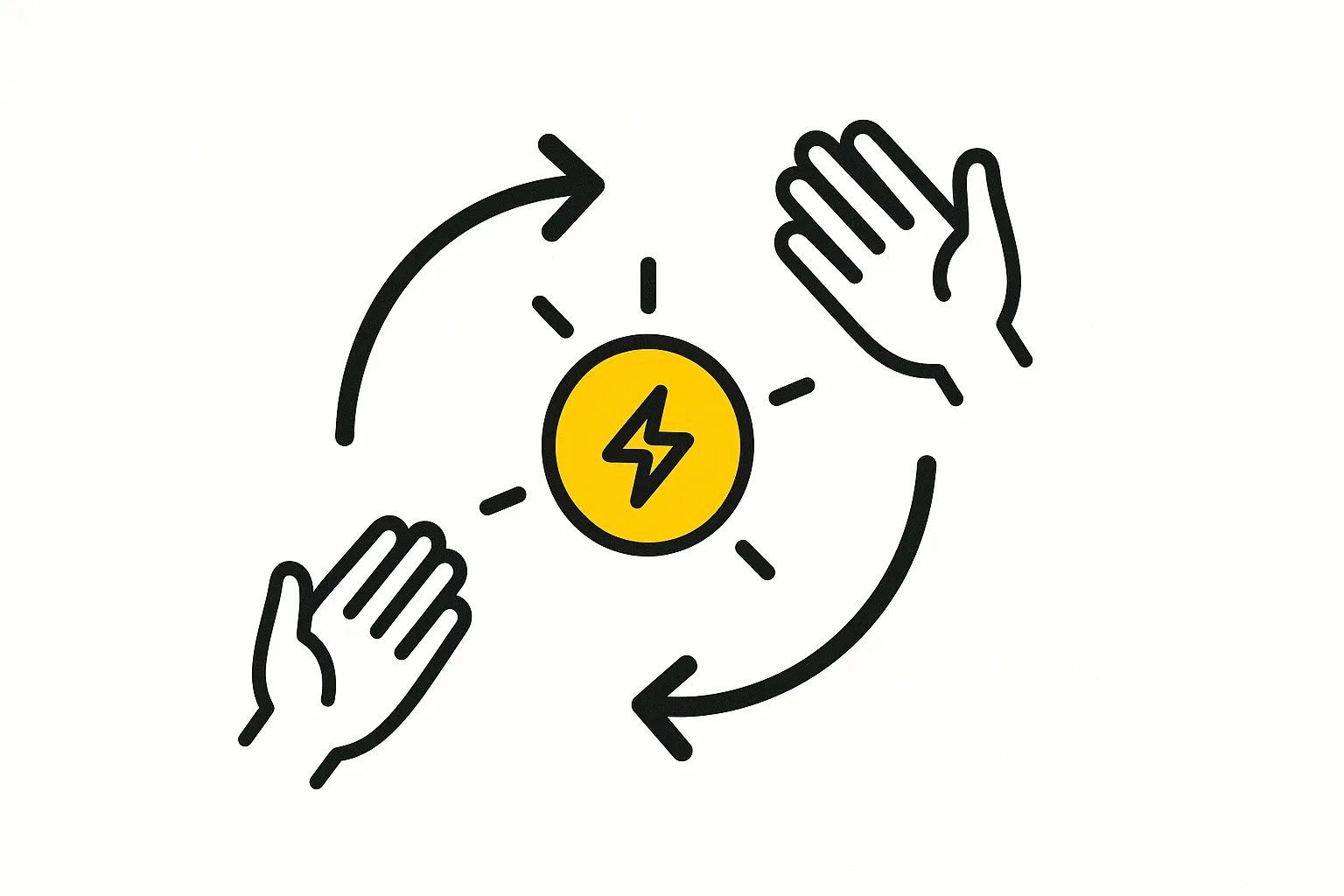
#8Human Knot Game

The Human Knot is a classic team building game to build better communication. Learn how to play, variations (circle, no touching), and Facilitator tips.

8+

Steps

  1. 1.Have everyone stand in a circle, shoulder to shoulder.
  2. 2.Each person reaches across the circle with their right hand to grab the hand of someone opposite them.
  3. 3.Then, each person reaches across with their left hand to grab the hand of a different person.
  4. 4.The group must now work together to untangle themselves into a single circle without letting go of hands.
Scavenger Hunt

#9Scavenger Hunt

A high-energy team building game where teams race to find items. Perfect for boosting collaboration and fun in virtual or in-person meetings.

6+

Steps

  1. 1.Prepare a list of 10–20 items or photo challenges (mix easy and tricky).
  2. 2.Split participants into small teams (3–5 people).
  3. 3.Set a time limit (e.g., 10–20 minutes). Teams search and document their finds.
  4. 4.Award points per item. Bonus points for creativity or first to finish.
Zip Zap Zop

#10Zip Zap Zop

Learn how to play Zip Zap Zop, the classic high-energy circle game. Includes detailed instructions, fun variations (Boing, Silent), and facilitator tips.

5-20

Steps

  1. 1.Form a circle with all participants standing.
  2. 2.The first player claps their hands, points to another player, and says 'Zip'.
  3. 3.The player who was pointed at immediately claps, points to a third player, and says 'Zap'.
  4. 4.The third player claps, points to a fourth player, and says 'Zop'.
Birthday Line-Up

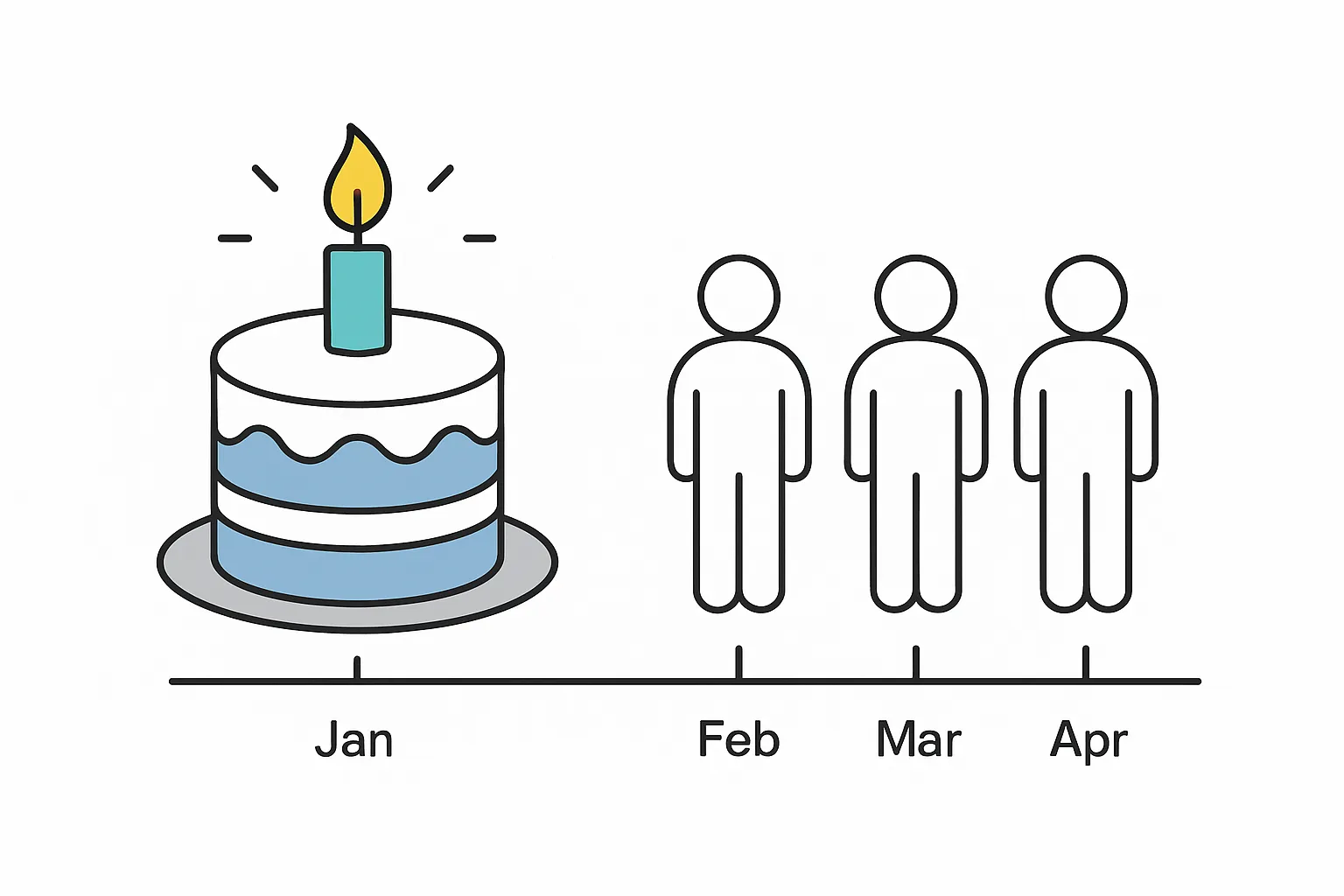
#11Birthday Line-Up

A classic non-verbal challenge where the group lines up by birthday without speaking. Excellent for improving communication and problem-solving skills.

8+

Steps

  1. 1.Instruct the group to arrange themselves in a line according to their birthday, from January 1st to December 31st.
  2. 2.The catch: they cannot speak or write anything down.
  3. 3.Participants must use gestures, like holding up fingers for the month and day, to figure out the correct order.
  4. 4.Once done, go down the line and have everyone say their birthday to see if they succeeded.
Rock Paper Scissors Tourney

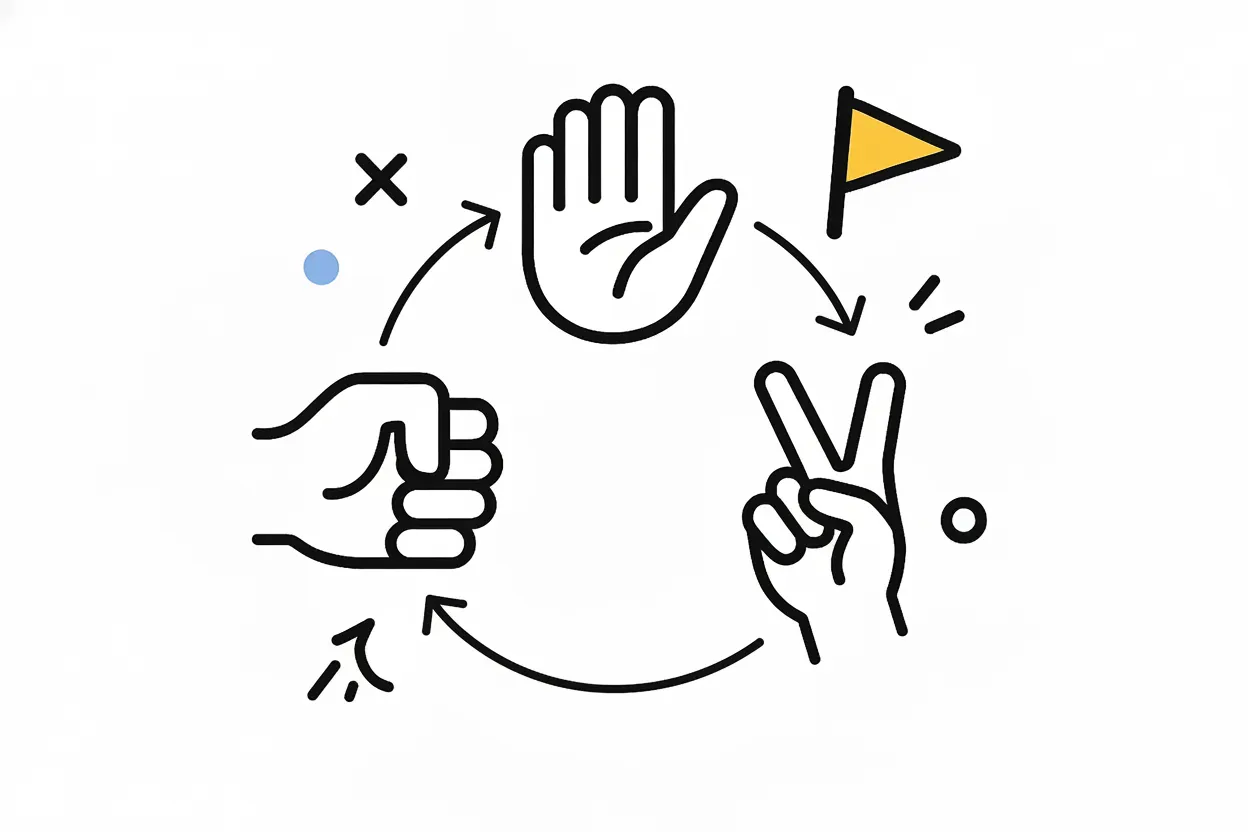
#12Rock Paper Scissors Tourney

Turn a simple game into an epic tournament! Losers become cheerleaders for the winners, building massive energy and team spirit.

10+

Steps

  1. 1.Everyone finds a partner and plays one round of Rock, Paper, Scissors.
  2. 2.The winner advances, and the loser becomes the winner's 'cheerleader'.
  3. 3.Winners find new opponents. When a winner wins again, their cheerleader and the opponent's cheerleader now cheer for them.
  4. 4.Continue until two finalists face off with huge cheering sections!

Classroom and Virtual Teen Icebreakers

Pictionary

#13Pictionary

The ultimate Pictionary guide for work teams. Includes 200+ work-safe words, step-by-step rules, and best tools for virtual play. Perfect for meetings and team building.

6+

Steps

  1. 1.Split the group into two teams.
  2. 2.One person from a team gets a word and must draw clues for their teammates to guess within a time limit.
  3. 3.For in-person, use a whiteboard. For virtual, use the whiteboard feature in a video conferencing tool or a dedicated online Pictionary game.
  4. 4.Teams earn points for correct guesses.
Materials:Whiteboard and markers, or a digital whiteboard tool
Charades

#14Charades

Need charades words? Get 150+ funny, hard, and easy acting prompts for adults & kids. Includes a free "Generator" to pick words for you. Play now!

4+

Steps

  1. 1.Split into two teams (or play all together).
  2. 2.One player draws a prompt (movie, action, object, etc.) and acts it out without speaking or spelling.
  3. 3.Teammates guess within the time limit (usually 60–90 seconds).
  4. 4.Rotate players so everyone gets a turn. Keep score if playing in teams.
Virtual Scavenger Hunt

#15Virtual Scavenger Hunt

High-energy remote icebreaker: Find and show household items in 30 seconds. Includes 100+ difficulty-rated items. The best way to beat Zoom fatigue and energize your virtual meetings.

5+

Steps

  1. 1.The host calls out a common household item (e.g., 'your favorite mug', 'something red', 'a book you'd recommend').
  2. 2.Participants have 30 seconds to find the item in their home and show it on camera.
  3. 3.The first person back gets a point. Play for a few rounds!
Quick Questions

#16Quick Questions

Quick Questions is a rapid-fire icebreaker for meetings. Participants answer short, fun questions to break the silence. Great for virtual and in-person teams.

3+

Steps

  1. 1.Prepare a list of simple, fun questions (e.g., 'What's your favorite pizza topping?', 'What was the first concert you attended?').
  2. 2.Go around the room and have each person answer a different question as quickly as possible.
  3. 3.Keep it moving to maintain a high-energy and spontaneous atmosphere.
Materials:Pre-prepared list of 10–15 quick questions
Guess Who (Facts in a Hat)

#17Guess Who (Facts in a Hat)

Players submit a surprising personal fact anonymously. The group guesses who wrote each fact. A great way to discover hidden sides of teammates.

5+

Steps

  1. 1.Give each person a slip to write a surprising personal fact.
  2. 2.Collect and read the facts; the group guesses who wrote it.
  3. 3.Author reveals themselves and adds a short story if they’d like.
Common Ground Challenge

#18Common Ground Challenge

Small groups race to find a set number of uncommon things they all share in common.

6+

Steps

  1. 1.Form groups of 3–5 and set a target (e.g., 5 commonalities).
  2. 2.Give 5–8 minutes to discover overlaps beyond the obvious.
  3. 3.Share highlights with the whole group.

A Few Ways to Keep It from Feeling Awkward

  • Pair people up before asking anyone to speak to the whole room. It is much easier to talk after one friendly practice round.
  • Keep prompts easy: a song on repeat, a skill they would love to learn, or the best snack in the world. Nobody should have to share private details just to join in.
  • Show one round yourself, then start playing. Keep the first game under 10 minutes and finish while people are still smiling.

Teen Icebreaker FAQs

What are the best icebreakers for teens who feel shy or awkward?

Start with pair activities, anonymous guessing games, This or That, or Three Things in Common. These formats give teens something specific to do and do not require a personal speech in front of the whole group.

What icebreakers work for middle school and high school students?

Human Bingo, Pictionary, scavenger hunts, Would You Rather, and Common Ground Challenge adapt well to both age groups. Use simpler prompts for middle school and give older teens more choice and independence.

How long should a teen icebreaker last?

A first icebreaker usually works best in 5 to 10 minutes. Stop while the energy is still positive, then use a longer team challenge later if the group is comfortable.

How do I make teen icebreakers less embarrassing?

Let people pass, avoid forced physical contact and sensitive questions, demonstrate the activity yourself, and use small groups before whole-group sharing. Never make the quietest participant go first.