Icebreaker Games LogoIcebreaker Games

Best Icebreaker Games for Work

Meeting-friendly activities that build trust without the cringe.

Asking colleagues to share their 'deepest secrets' on a Tuesday morning is a nightmare. Good work icebreakers should wake people up, not make them want to hide under the desk.

Whether it's a quarterly review or a new hire intro, these low-risk activities actually help people connect without crossing professional lines.

Meeting Icebreakers (<=10 min)

Desert Island

#1Desert Island

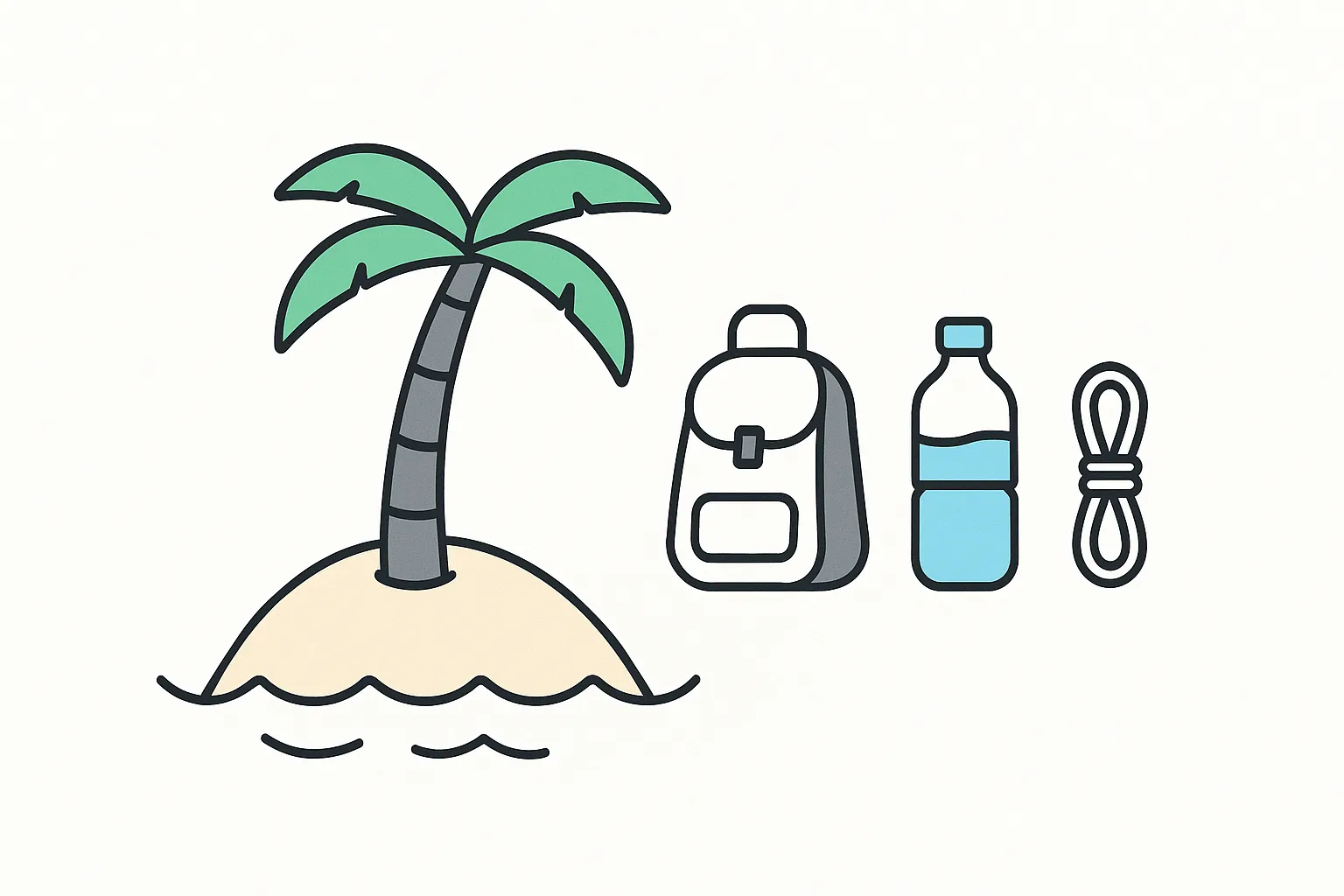
Participants share the three essential items they'd bring to a deserted island.

3+ Players10 minHybrid

Steps

  1. 1.Ask the group: 'If you were stranded on a desert island, what three items would you bring and why?'
  2. 2.Go around the circle and have each person share their three items.
  3. 3.Encourage follow-up questions to understand the reasoning behind their choices.
Rose, Thorn, Bud

#2Rose, Thorn, Bud

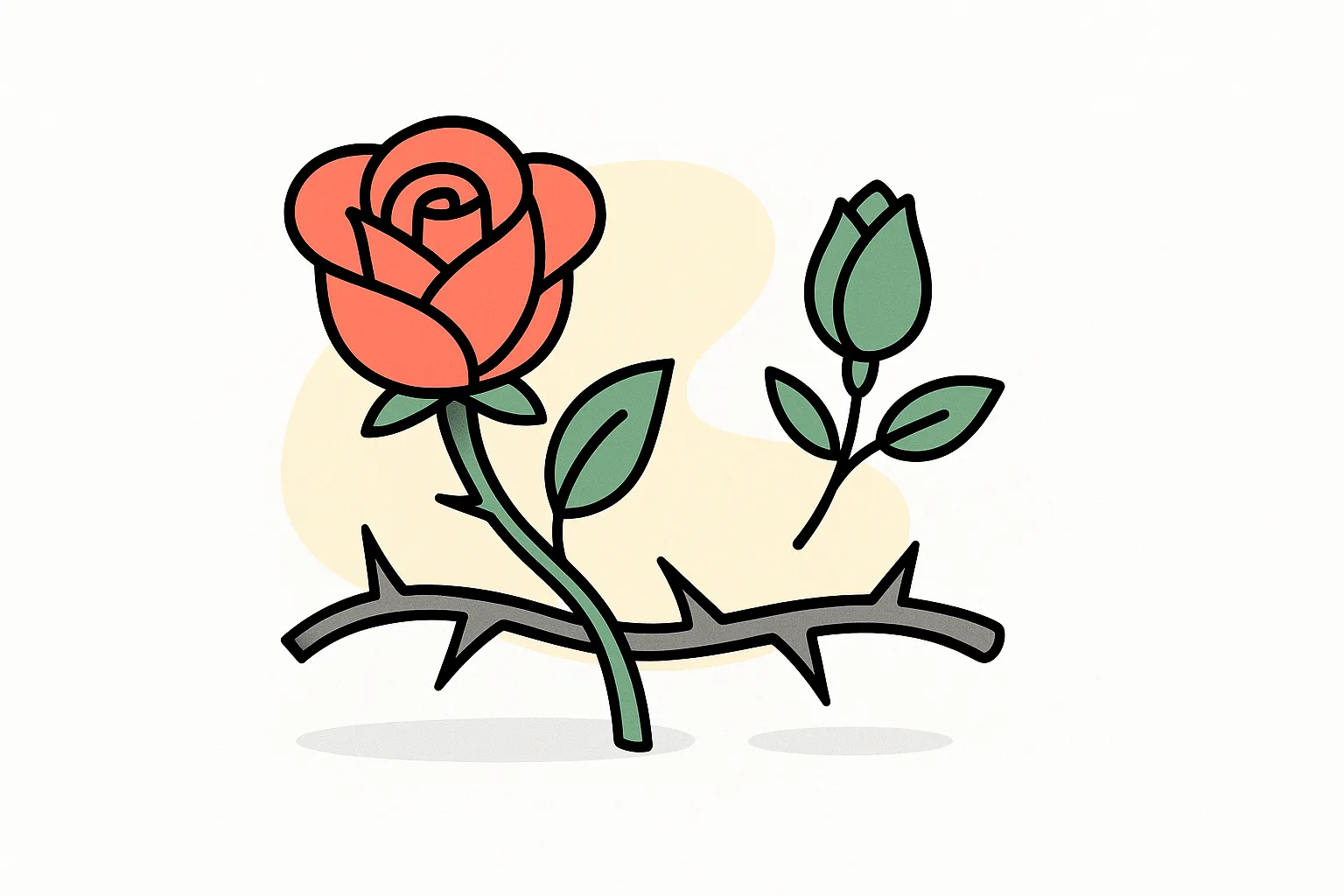
A simple yet profound framework to foster psychological safety. By sharing a positive (Rose), a challenge (Thorn), and a potential (Bud), teams build deeper empathy and authentic connection beyond status updates.

3+ Players10 minHybrid

Steps

  1. 1.Go around the group and invite each person to share three things:
  2. 2.Rose: A highlight, success, or something positive from their week.
  3. 3.Thorn: A challenge, stressor, or something that stuck with them.
  4. 4.Bud: New ideas, opportunities, or something they are looking forward to.
Materials:Sticky notes (for in-person), Whiteboard or digital board, Timer (for keeping time)
Theme Music

#3Theme Music

If your life were a movie, what would the soundtrack be? Theme Music is a powerful, low-pressure icebreaker that connects teams through song choices. Includes full scripts, scenario prompts, and playlist tips.

3+ Players10 minHybrid

Steps

  1. 1.The facilitator offers 3-5 scenarios (e.g., 'Your Walk-on Song', 'Deep Focus Mode', 'Friday Victory Lap').
  2. 2.Each person selects a song that fits the scenario for themselves.
  3. 3.Go around the room: share the title/artist and give a one-sentence explanation.
  4. 4.If possible, play a 10-15 second snippet of the track to get everyone energized.
Materials:Music playing device (Phone/Bluetooth Speaker), Shared doc or chat (to build a playlist), Voting tool (optional, for 'Best Song')
Two Truths and a Lie

#4Two Truths and a Lie

The classic game where players guess which of three statements is false. A simple, fun way to reveal surprising facts about teammates.

3+ Players10 minHybrid

Steps

  1. 1.Each person prepares three statements about themselves: two that are true and one that is false.
  2. 2.Taking turns, each person shares their three statements with the group.
  3. 3.The rest of the group votes on which statement they believe is the lie.
  4. 4.The person reveals the lie after everyone has voted. It's a great way to learn surprising facts about each other!
20 Questions

#520 Questions

20 Questions is a classic deductive reasoning icebreaker suitable for teams of any size. One player thinks of a secret person, place, or object, and others guess it by asking up to 20 "Yes" or "No" questions. This game requires no props, can be played anywhere, and effectively sharpens logical thinking, communication skills, and collaborative problem-solving.

3+ Players10 minHybrid

Steps

  1. 1.The host (or a volunteer) thinks of a specific person, place, object, or concept.
  2. 2.Others take turns asking questions to narrow down the possibilities. The host can only answer "Yes," "No," "Maybe," or "Partially."
  3. 3.Guessers can attempt to solve the riddle at any time.
  4. 4.The group has a total of 20 questions (guesses count as a question).
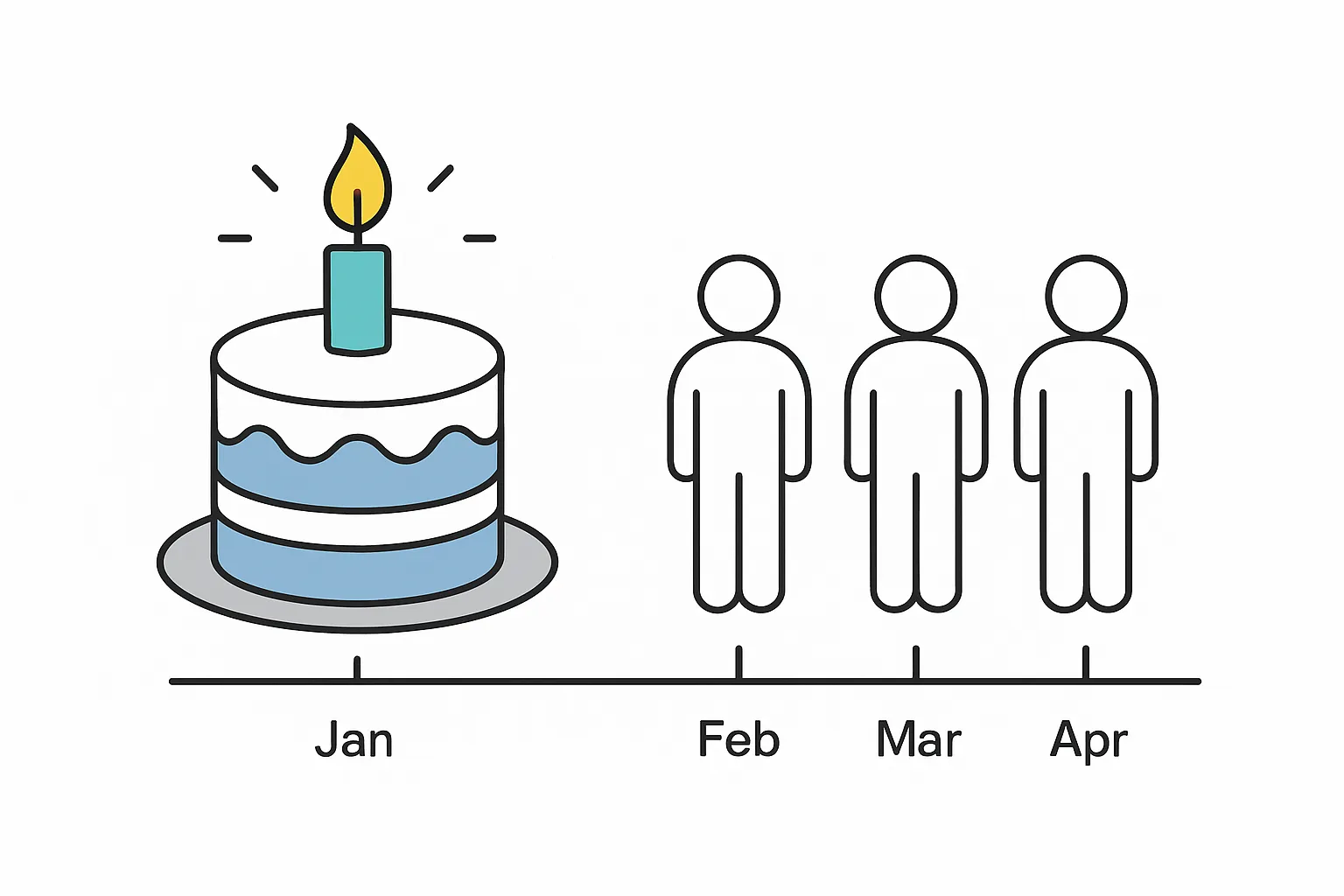
Birthday Line-Up

#6Birthday Line-Up

A classic non-verbal challenge where the group lines up by birthday without speaking. Excellent for improving communication and problem-solving skills.

8+ Players10 minIn-Person

Steps

  1. 1.Instruct the group to arrange themselves in a line according to their birthday, from January 1st to December 31st.
  2. 2.The catch: they cannot speak or write anything down.
  3. 3.Participants must use gestures, like holding up fingers for the month and day, to figure out the correct order.
  4. 4.Once done, go down the line and have everyone say their birthday to see if they succeeded.
Common Ground Challenge

#7Common Ground Challenge

Small groups race to find a set number of uncommon things they all share in common.

6+ Players10 minHybrid

Steps

  1. 1.Form groups of 3–5 and set a target (e.g., 5 commonalities).
  2. 2.Give 5–8 minutes to discover overlaps beyond the obvious.
  3. 3.Share highlights with the whole group.
Doodle Duel Derby

#8Doodle Duel Derby

A fast-paced collaborative drawing game. Rotate sketches, build on others' work, and guess contributors. Perfect for creative warm-ups and team building.

4+ Players10 minHybrid

Steps

  1. 1.Everyone starts a doodle; after 30–60 seconds, rotate canvases.
  2. 2.Repeat 3–5 rotations, then reveal and guess contributors.
  3. 3.Vote for the funniest or most artistic piece.

Onboarding Icebreakers (10–20 min)

Desert Island

#1Desert Island

Participants share the three essential items they'd bring to a deserted island.

3+ Players10 minHybrid

Steps

  1. 1.Ask the group: 'If you were stranded on a desert island, what three items would you bring and why?'
  2. 2.Go around the circle and have each person share their three items.
  3. 3.Encourage follow-up questions to understand the reasoning behind their choices.
Rose, Thorn, Bud

#2Rose, Thorn, Bud

A simple yet profound framework to foster psychological safety. By sharing a positive (Rose), a challenge (Thorn), and a potential (Bud), teams build deeper empathy and authentic connection beyond status updates.

3+ Players10 minHybrid

Steps

  1. 1.Go around the group and invite each person to share three things:
  2. 2.Rose: A highlight, success, or something positive from their week.
  3. 3.Thorn: A challenge, stressor, or something that stuck with them.
  4. 4.Bud: New ideas, opportunities, or something they are looking forward to.
Materials:Sticky notes (for in-person), Whiteboard or digital board, Timer (for keeping time)
Theme Music

#3Theme Music

If your life were a movie, what would the soundtrack be? Theme Music is a powerful, low-pressure icebreaker that connects teams through song choices. Includes full scripts, scenario prompts, and playlist tips.

3+ Players10 minHybrid

Steps

  1. 1.The facilitator offers 3-5 scenarios (e.g., 'Your Walk-on Song', 'Deep Focus Mode', 'Friday Victory Lap').
  2. 2.Each person selects a song that fits the scenario for themselves.
  3. 3.Go around the room: share the title/artist and give a one-sentence explanation.
  4. 4.If possible, play a 10-15 second snippet of the track to get everyone energized.
Materials:Music playing device (Phone/Bluetooth Speaker), Shared doc or chat (to build a playlist), Voting tool (optional, for 'Best Song')
Two Truths and a Lie

#4Two Truths and a Lie

The classic game where players guess which of three statements is false. A simple, fun way to reveal surprising facts about teammates.

3+ Players10 minHybrid

Steps

  1. 1.Each person prepares three statements about themselves: two that are true and one that is false.
  2. 2.Taking turns, each person shares their three statements with the group.
  3. 3.The rest of the group votes on which statement they believe is the lie.
  4. 4.The person reveals the lie after everyone has voted. It's a great way to learn surprising facts about each other!
Would You Rather

#5Would You Rather

The ultimate list of Would You Rather questions for every occasion. From funny and creative to deep and hard dilemmas. Featuring a random question generator for instant fun.

2+ Players15 minHybrid

Steps

  1. 1.Choose a category (e.g., Couples, Kids, Funny, Hard).
  2. 2.Read the question aloud to the group: 'Would you rather Option A or Option B?'
  3. 3.Everyone must choose one option. No 'neither' or 'both' allowed!
  4. 4.Discuss 'why' you made your choice. The best conversations come from the reasoning.
20 Questions

#620 Questions

20 Questions is a classic deductive reasoning icebreaker suitable for teams of any size. One player thinks of a secret person, place, or object, and others guess it by asking up to 20 "Yes" or "No" questions. This game requires no props, can be played anywhere, and effectively sharpens logical thinking, communication skills, and collaborative problem-solving.

3+ Players10 minHybrid

Steps

  1. 1.The host (or a volunteer) thinks of a specific person, place, object, or concept.
  2. 2.Others take turns asking questions to narrow down the possibilities. The host can only answer "Yes," "No," "Maybe," or "Partially."
  3. 3.Guessers can attempt to solve the riddle at any time.
  4. 4.The group has a total of 20 questions (guesses count as a question).
Birthday Line-Up

#7Birthday Line-Up

A classic non-verbal challenge where the group lines up by birthday without speaking. Excellent for improving communication and problem-solving skills.

8+ Players10 minIn-Person

Steps

  1. 1.Instruct the group to arrange themselves in a line according to their birthday, from January 1st to December 31st.
  2. 2.The catch: they cannot speak or write anything down.
  3. 3.Participants must use gestures, like holding up fingers for the month and day, to figure out the correct order.
  4. 4.Once done, go down the line and have everyone say their birthday to see if they succeeded.
Common Ground Challenge

#8Common Ground Challenge

Small groups race to find a set number of uncommon things they all share in common.

6+ Players10 minHybrid

Steps

  1. 1.Form groups of 3–5 and set a target (e.g., 5 commonalities).
  2. 2.Give 5–8 minutes to discover overlaps beyond the obvious.
  3. 3.Share highlights with the whole group.

Remote Team Icebreakers

Desert Island

#1Desert Island

Participants share the three essential items they'd bring to a deserted island.

3+ Players10 minHybrid

Steps

  1. 1.Ask the group: 'If you were stranded on a desert island, what three items would you bring and why?'
  2. 2.Go around the circle and have each person share their three items.
  3. 3.Encourage follow-up questions to understand the reasoning behind their choices.
Rose, Thorn, Bud

#2Rose, Thorn, Bud

A simple yet profound framework to foster psychological safety. By sharing a positive (Rose), a challenge (Thorn), and a potential (Bud), teams build deeper empathy and authentic connection beyond status updates.

3+ Players10 minHybrid

Steps

  1. 1.Go around the group and invite each person to share three things:
  2. 2.Rose: A highlight, success, or something positive from their week.
  3. 3.Thorn: A challenge, stressor, or something that stuck with them.
  4. 4.Bud: New ideas, opportunities, or something they are looking forward to.
Materials:Sticky notes (for in-person), Whiteboard or digital board, Timer (for keeping time)
Theme Music

#3Theme Music

If your life were a movie, what would the soundtrack be? Theme Music is a powerful, low-pressure icebreaker that connects teams through song choices. Includes full scripts, scenario prompts, and playlist tips.

3+ Players10 minHybrid

Steps

  1. 1.The facilitator offers 3-5 scenarios (e.g., 'Your Walk-on Song', 'Deep Focus Mode', 'Friday Victory Lap').
  2. 2.Each person selects a song that fits the scenario for themselves.
  3. 3.Go around the room: share the title/artist and give a one-sentence explanation.
  4. 4.If possible, play a 10-15 second snippet of the track to get everyone energized.
Materials:Music playing device (Phone/Bluetooth Speaker), Shared doc or chat (to build a playlist), Voting tool (optional, for 'Best Song')
Two Truths and a Lie

#4Two Truths and a Lie

The classic game where players guess which of three statements is false. A simple, fun way to reveal surprising facts about teammates.

3+ Players10 minHybrid

Steps

  1. 1.Each person prepares three statements about themselves: two that are true and one that is false.
  2. 2.Taking turns, each person shares their three statements with the group.
  3. 3.The rest of the group votes on which statement they believe is the lie.
  4. 4.The person reveals the lie after everyone has voted. It's a great way to learn surprising facts about each other!
Would You Rather

#5Would You Rather

The ultimate list of Would You Rather questions for every occasion. From funny and creative to deep and hard dilemmas. Featuring a random question generator for instant fun.

2+ Players15 minHybrid

Steps

  1. 1.Choose a category (e.g., Couples, Kids, Funny, Hard).
  2. 2.Read the question aloud to the group: 'Would you rather Option A or Option B?'
  3. 3.Everyone must choose one option. No 'neither' or 'both' allowed!
  4. 4.Discuss 'why' you made your choice. The best conversations come from the reasoning.
20 Questions

#620 Questions

20 Questions is a classic deductive reasoning icebreaker suitable for teams of any size. One player thinks of a secret person, place, or object, and others guess it by asking up to 20 "Yes" or "No" questions. This game requires no props, can be played anywhere, and effectively sharpens logical thinking, communication skills, and collaborative problem-solving.

3+ Players10 minHybrid

Steps

  1. 1.The host (or a volunteer) thinks of a specific person, place, object, or concept.
  2. 2.Others take turns asking questions to narrow down the possibilities. The host can only answer "Yes," "No," "Maybe," or "Partially."
  3. 3.Guessers can attempt to solve the riddle at any time.
  4. 4.The group has a total of 20 questions (guesses count as a question).
Common Ground Challenge

#7Common Ground Challenge

Small groups race to find a set number of uncommon things they all share in common.

6+ Players10 minHybrid

Steps

  1. 1.Form groups of 3–5 and set a target (e.g., 5 commonalities).
  2. 2.Give 5–8 minutes to discover overlaps beyond the obvious.
  3. 3.Share highlights with the whole group.
Desert Island Intelligences

#8Desert Island Intelligences

Stranded on an island with 8 types of intelligences. Teams must debate and rank them by survival value. A deep dive into team roles and values.

6+ Players20 minHybrid

Steps

  1. 1.Introduce the 8 Multiple Intelligences (see prompts below).
  2. 2.Set the scene: scarce resources, must decide who stays longest.
  3. 3.Debate as a group and justify the ranking.

Tips for Running Icebreakers at Work

  • Start small: choose activities that fit your agenda and timebox to 5–10 minutes.
  • Be inclusive: avoid personal, political, or sensitive topics; offer opt-in participation.
  • Explain why: tell the team how the activity supports collaboration and outcomes.
  • Debrief briefly: ask 1–2 reflection questions to connect the activity to work.
  • Have a backup: prepare a zero-material, 1-minute option in case time runs short.

FAQs

What's the best icebreaker for a serious meeting?

Keep it relevant. For a strategy session, try 'Rose, Bud, Thorn' to reflect on recent work. For a generic status update, a simple 'Weekend Update' (What's one thing you did this weekend?) works best. The goal is to warm up the room, not force a therapy session.

How long should they take?

Aim for 5-10 minutes max. If it drags on, people check out. For a 1-hour meeting, 5 minutes is plenty. If you're doing a half-day workshop, you can stretch it to 15-20 minutes to foster deeper connection.

How do I avoid the 'cringe' factor?

Stick to low-stakes topics. Asking 'What's your biggest fear?' is too much for work. Asking 'What's the best thing you ate recently?' is safe and universal. Also, always make participation optional—forcing people to speak backfires.

What if my team hates icebreakers?

Start super small. Don't even call it an icebreaker. Just say, 'Before we dive in, let's do a quick round: one word to describe your week so far.' When it's painless and fast, resistance usually drops.

How do I handle remote/hybrid teams?

Use the chat! Asking a question and having everyone type their answer simultaneously (the 'waterfall' method) removes the anxiety of speaking up. It's faster and inclusive of introverts. For hybrid, always let the remote folks answer first so they aren't forgotten.

Do these actually help productivity?

Surprisingly, yes. A quick laugh or personal connection signals 'we are safe here,' which makes people more likely to share bad news, offer new ideas, or ask for help later in the meeting. It greases the gears of collaboration.